The Book of Lussu
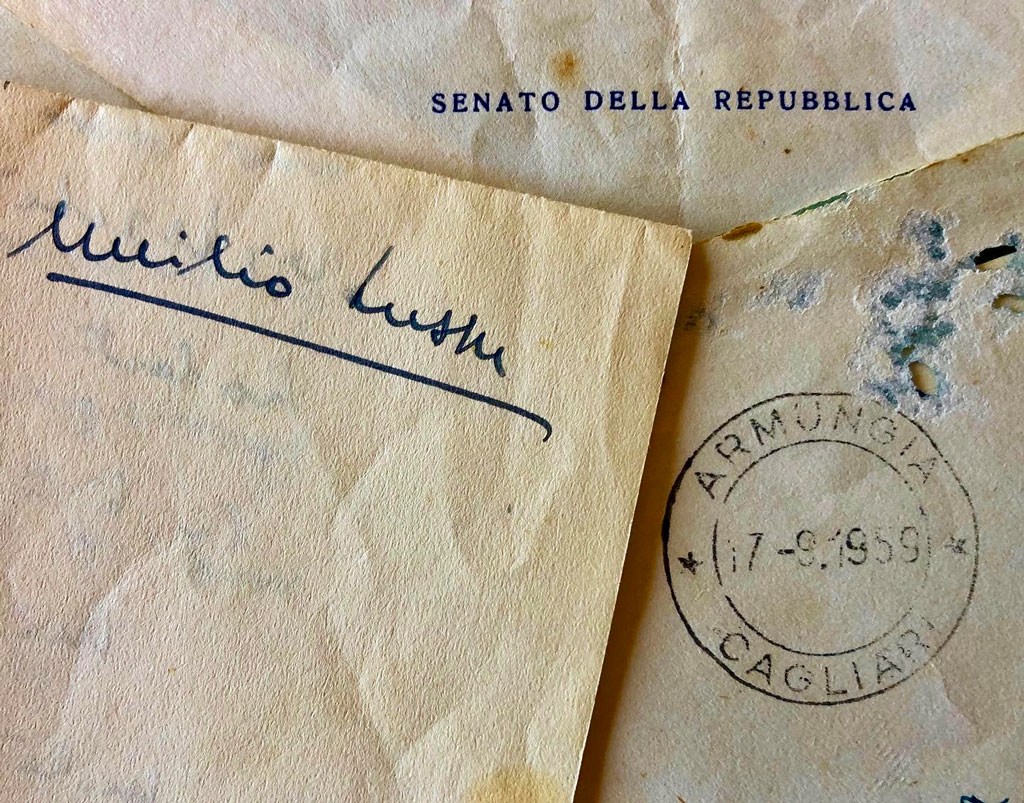
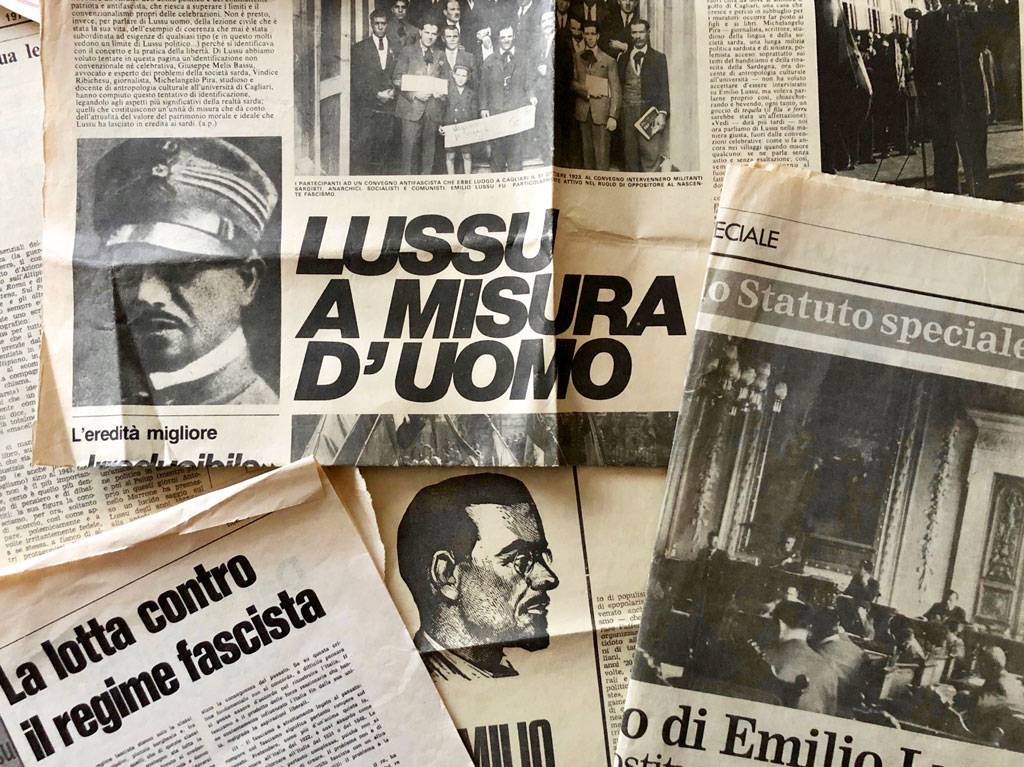
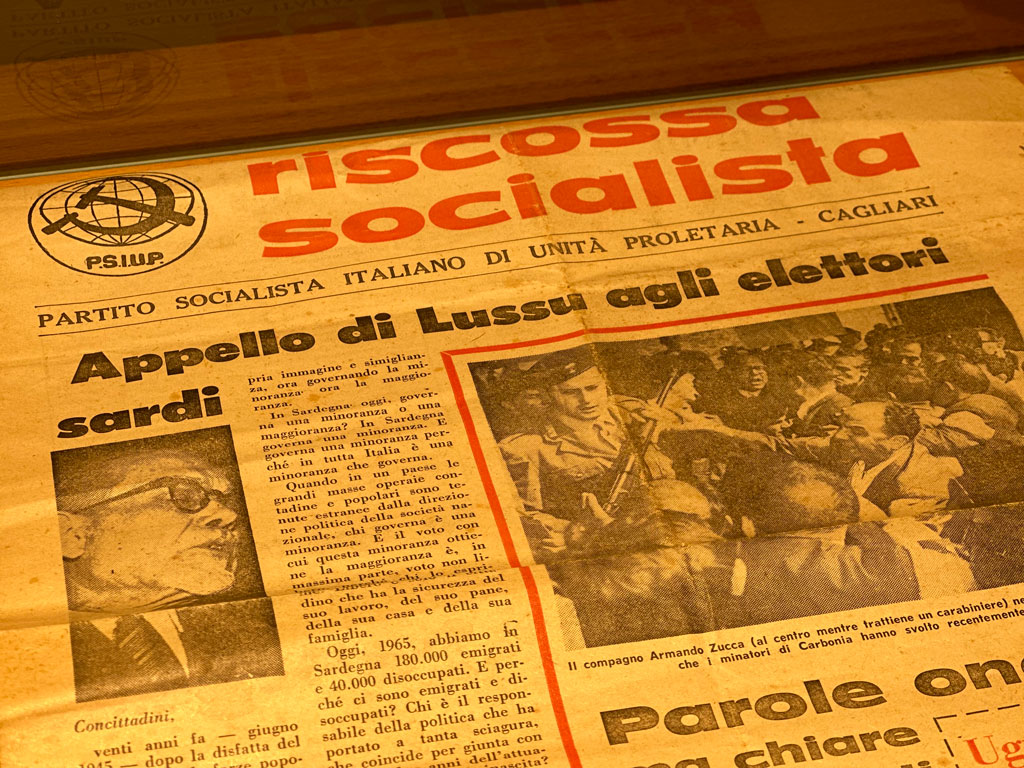
In the heart of the village of Armungia, nestled in the hills of south-eastern Sardinia, the Emilio Historical Museum and Joyce Lussu preserves a documentary heritage of extraordinary value: the original manuscripts of Emilio Lussu, a key figure of the political and literary history of the twentieth century. These documents, carefully preserved within the “House of the Secretary”, tell not only the life of a man, but also the transformations of an entire era.
The exposed manuscripts come largely from the Lussu Fund, deposited at the Sardinian Institute for the History of Resistance and Autonomy. Among the most touching testimonies is an autograph letter addressed to Piero Gobetti, dated 14 June 1924, written a few days after the assassination of Giacomo Matteotti. In it, Lussu expresses with clarity and pain the sense of loss and indignation that crossed Italy at that crucial moment. This document, along with the map of the confino, offers a vivid split of its anti-fascist militancy and the personal price paid for its ideas.
Visitors can also admire notes, sketches and reflections that anticipate the pages of One year on the Altipiano, masterpiece of war literature. The leaves, often diverted with a nervous and intense handwriting, return Lussu's direct voice, his critical gaze on war, his ability to analyze and his deep humanity. Each line is a fragment of memory, every correction a trace of evolving thought.
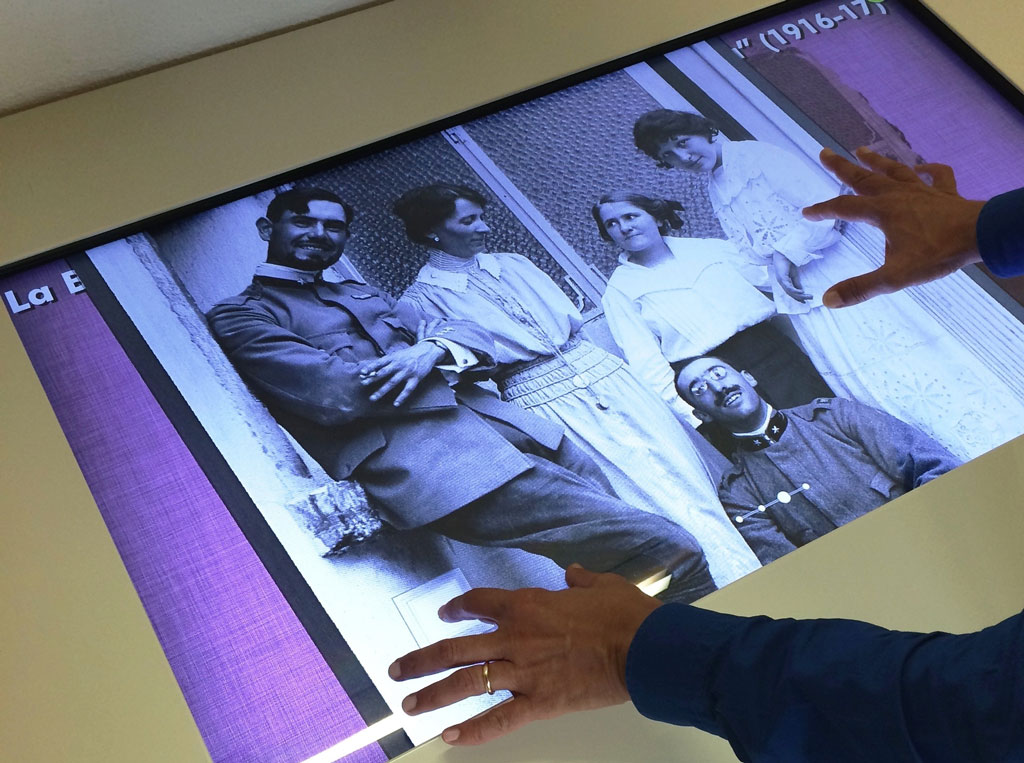
The museum integrates these materials with multimedia supports that amplify its value: vintage photographs, movies, interviews and digitalized content allow you to contextualize manuscripts and immerse yourself in the world of Lussu. The exhibition is designed to accompany the visitor on a chronological and thematic journey, from youth to Armenia to political commitment of the second post-war period.
Particularly striking is the photographic exhibition “1971: Emilio, his house, his family, his Armenian”, which flanks the manuscripts with over forty new photographs by photographer Franco Caruso. The images, printed on large panels, return the deep bond between Lussu and his land, between writing and living.
Emilio Lussu manuscripts are not only objects to admire: are tools of knowledge, living testimonies of a free and courageous thought. The Museum of Armungia makes them accessible with respect and passion, offering scholars, enthusiasts and curious the possibility to get in direct contact with one of the most authentic voices of Sardinia and Italy of the twentieth century.
Gallery