
Ethnographic museum
Allestito negli spazi del vecchio palazzo comunale, il Museo etnografico “Sa Domu de is Ainas” rievoca l’universo della cultura contadina e pastorale espressa nei secoli dalle comunità del territorio.
Go to the Virtual Tour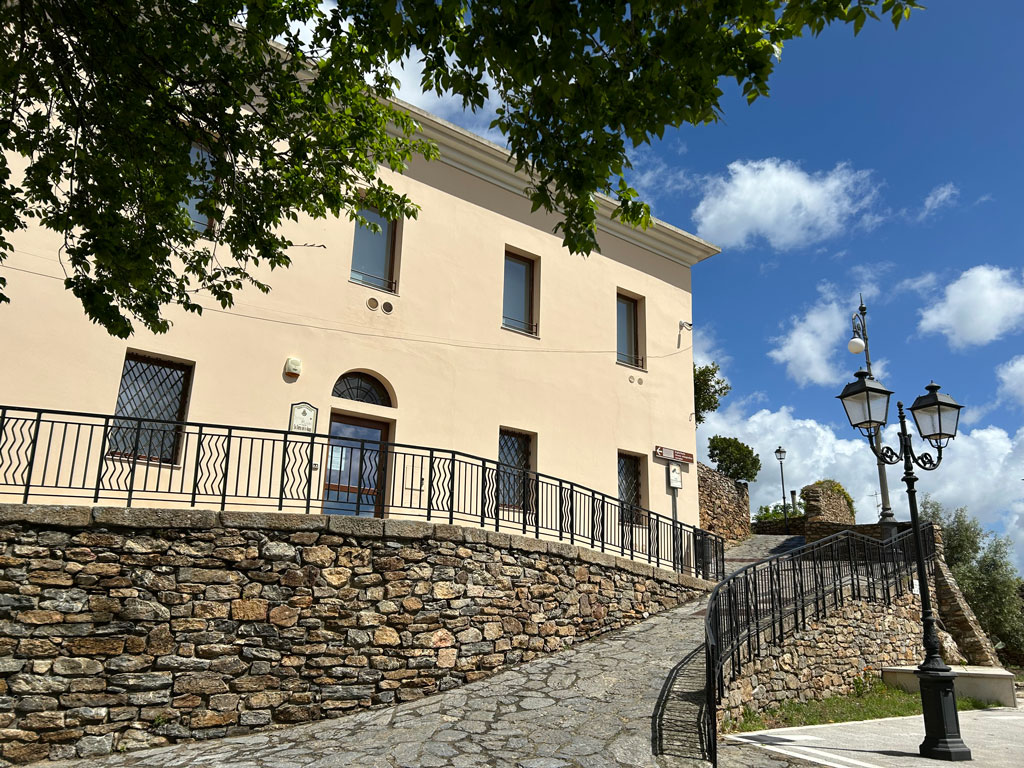
Allestito negli spazi del vecchio palazzo comunale, il Museo etnografico “Sa Domu de is Ainas” rievoca l’universo della cultura contadina e pastorale espressa nei secoli dalle comunità del territorio.
Go to the Virtual TourThe Ethnographic Museum “Sa Domu de is Ainas” – “The House of Work Tools” – is housed in the spaces of the old town hall, built around 1860 on a site historically dedicated to the Church of San Giovanni. For a long time, the municipal building also hosted the Monte Granatico and the first elementary schools of the village, which Emilio Lussu attended. The Museum stands close to the Nuraghe of Armungia, thus also serving as the access facility for visiting the archaeological site.
“Sa Domu de is Ainas” originated as an exhibition in 1982. The collection of objects related to women’s work, farming, and pastoral activities was assembled by a group of young women from the village during a period of strong participation in the democratic life of the community. When the collection was transformed into a museum in 2000, the curators sought to inherit the original mission: to highlight the material evidence of a society distant in time but one that new generations should not forget.
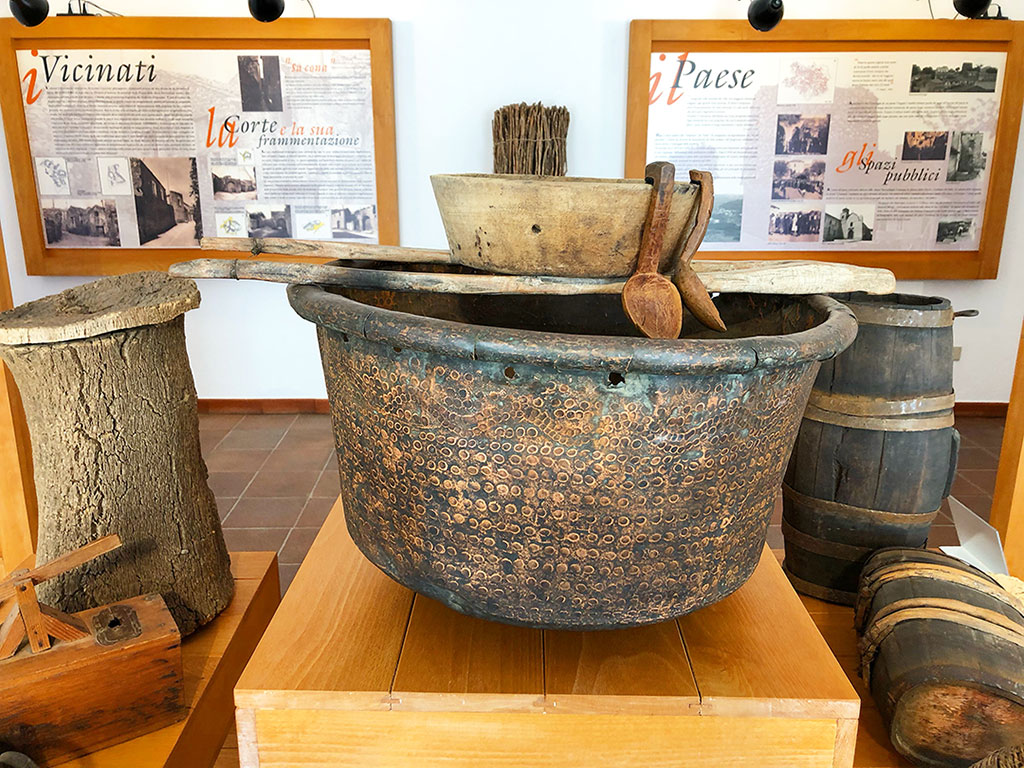
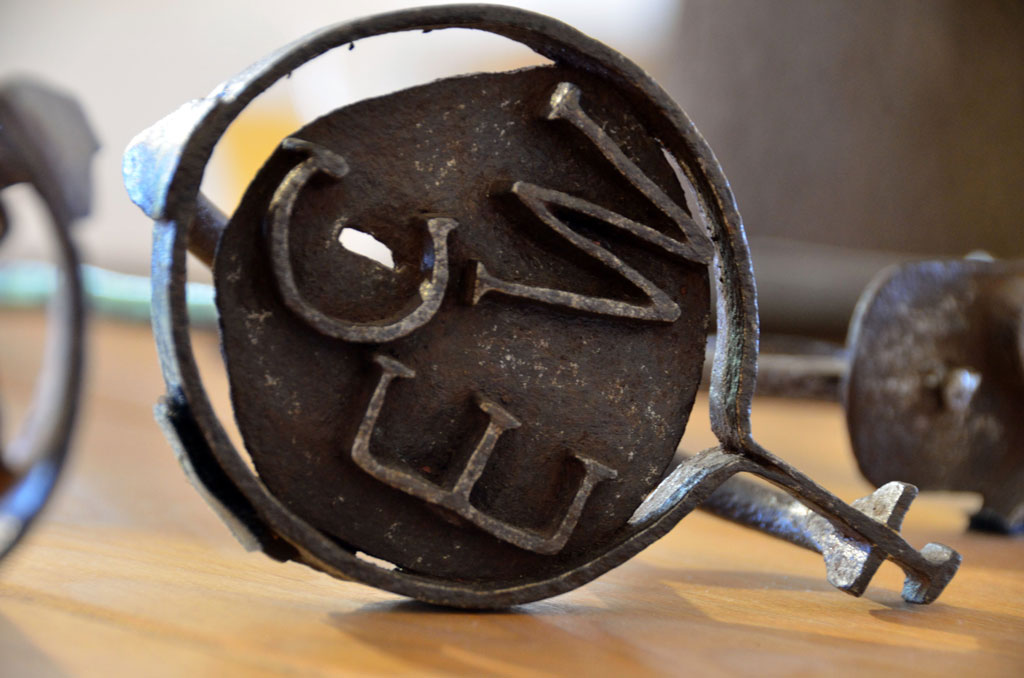
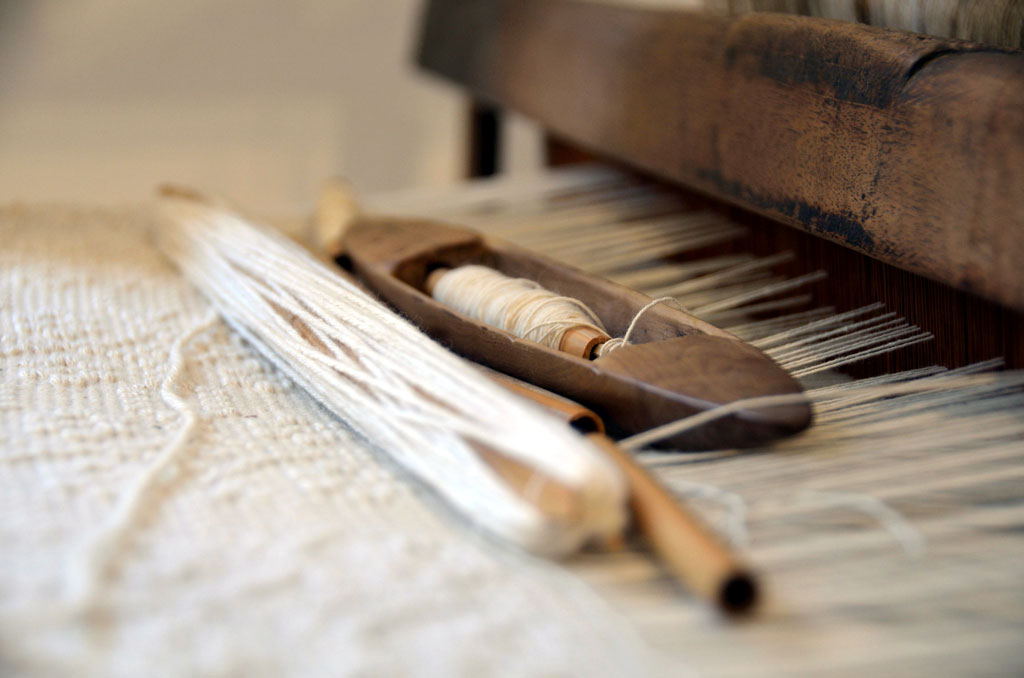
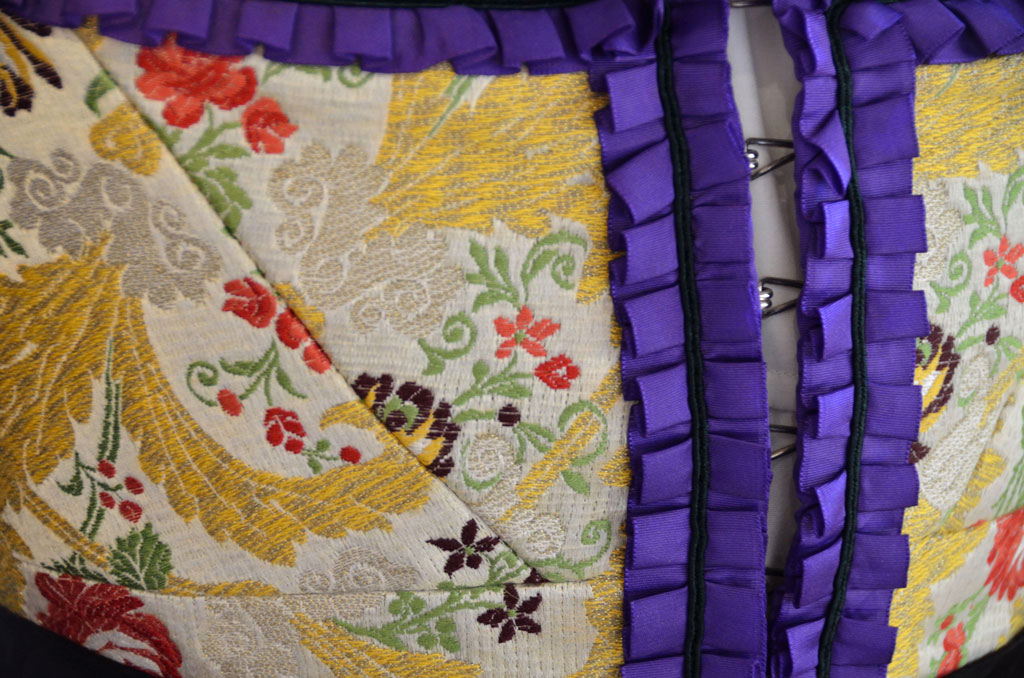
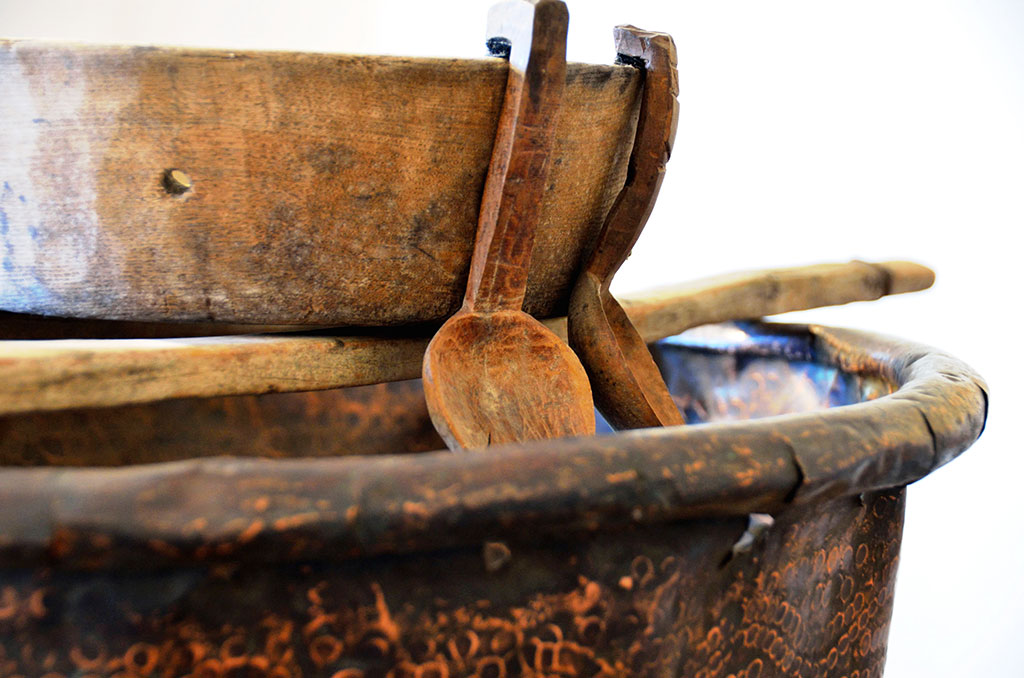
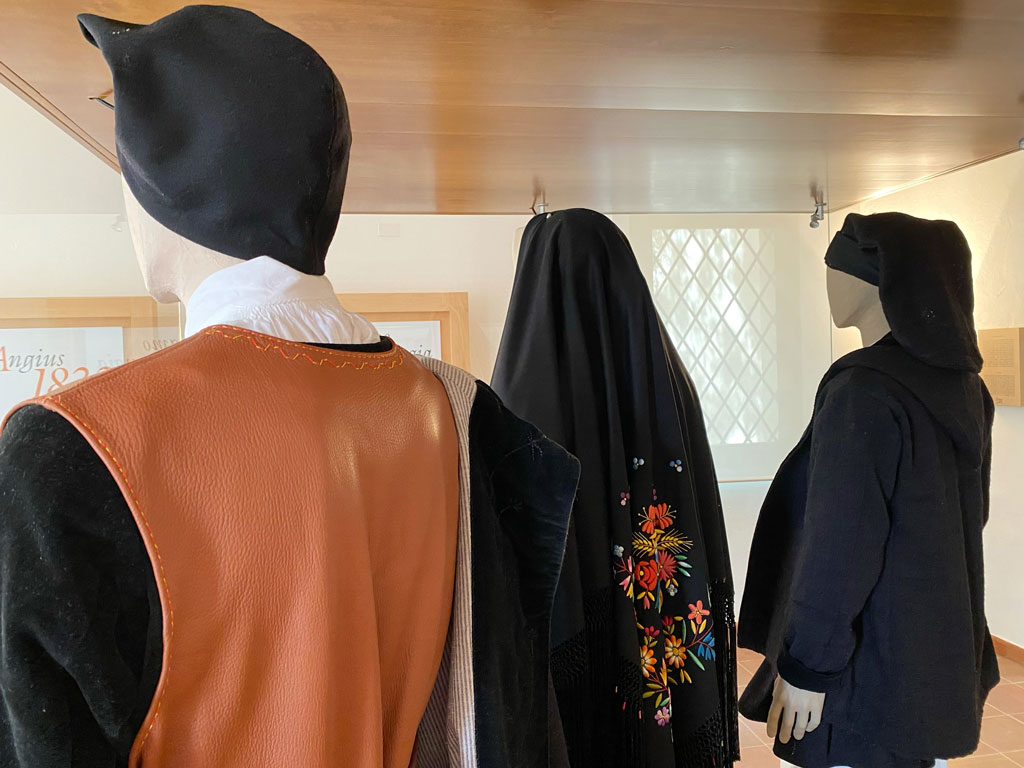
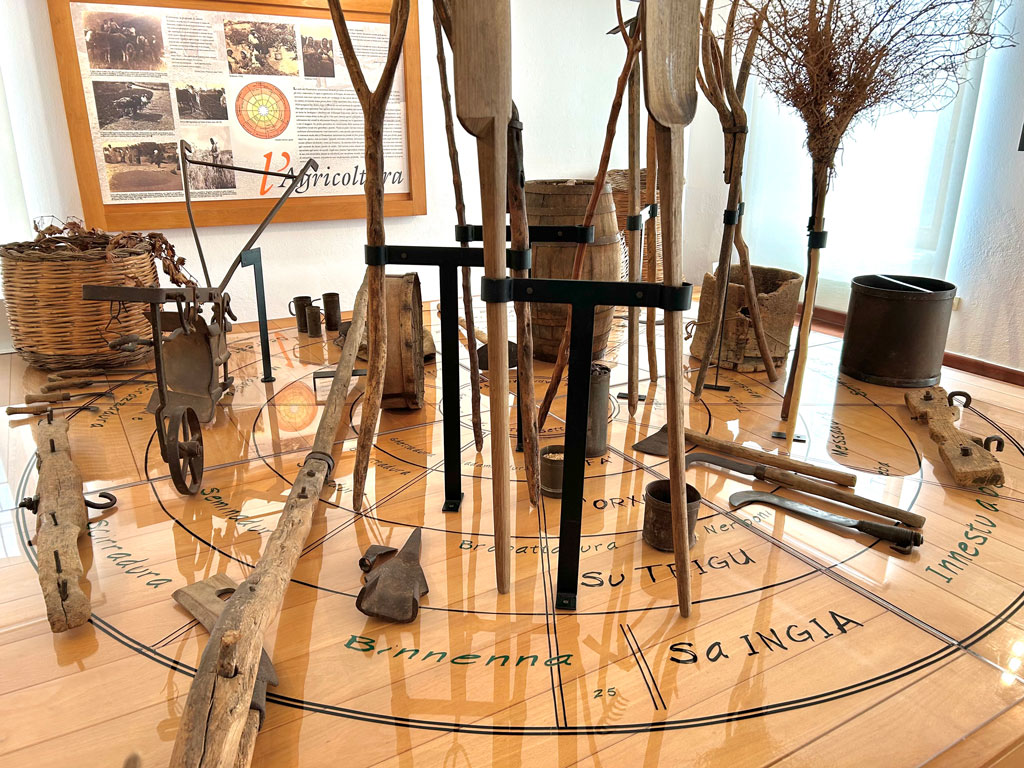
The exhibition route is organized into thematic sections, allowing visitors to discover the universe of rural culture as expressed over the centuries by the local communities. The display consists of work tools, textiles, and everyday objects, enriched by period photographs, illustrations, testimonies, and in-depth information. In the Clothing Room, tailor-made reproductions of the festive male and female costumes of Armungia from the last twenty years of the nineteenth century are exhibited, together with that of the male costume described by Abbot Vittorio Angius in 1833. The Women’s Work Room is dedicated to typically female activities such as weaving and bread-making, with particular reference to pistoccu, the double-baked bread typical of the summer months. The Iron Craftsmanship Room documents the work of the blacksmith farrier, while the Territory Room illustrates activities related to goat farming, hunting, and fishing. The Agriculture Room features at its center the large calendar of agricultural work, with the display of objects and the indication of the main phases of working the land for the different types of crops. Finally, the Object Room is characterized by the presence of two large wooden display cases: one dedicated to household objects and the other to the tools of artisan trades, such as those of the barber, carpenter, and shoemaker.
Located inside the Ethnographic Museum, it allows visitors to conveniently store bags and personal belongings before beginning the tour.
Located at the unique ticket office of the Museale System, within the Ethnographic Museum,bookshop offers visitors the opportunity to buy the latest editions of the main works ofEmilio Lussu and Joyce Lussu, publications on the history of Sardinia and Armungia, agendas andLussu Museum gadgets, guides and catalogues of temporary exhibitions realized over the years.